
In March 2024, Research Nova Scotia (RNS) launched Focused Research Investments (FRI), a new funding initiative under the Mission-Oriented Strategy.
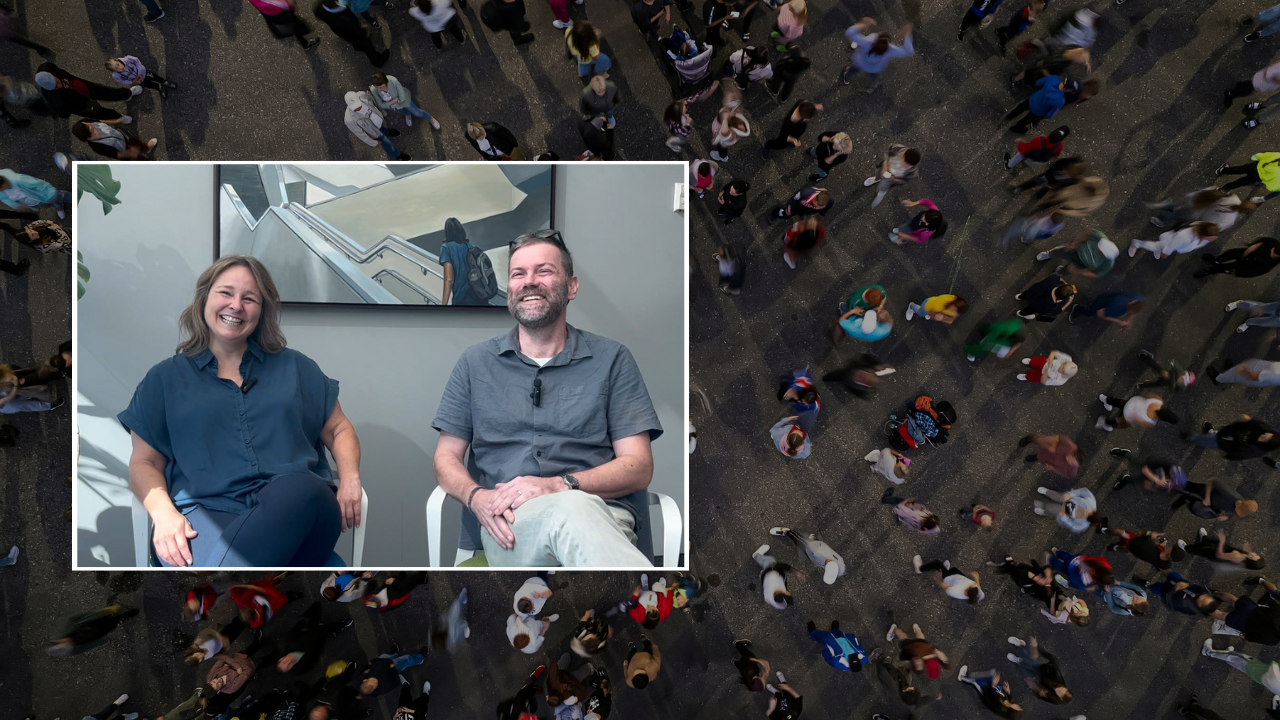
During the phase of selecting teams to fund, Stefan Leslie, CEO of Research Nova Scotia, and Dr. Melissa Flagg, FRI Advisory Panel Member, Founder of Flagg Consulting LLC, and Former U.S. Deputy Assistant Secretary of Defense for Research, sat down for an interview.
The following is a summary of their responses. For a more detailed version, please watch our YouTube video (9 minutes).
What are Focused Research Investments?
Stefan leslie:
“Focused Research Investments are an opportunity for the research community to respond to the needs of their community.”
FRI support researchers to work with and learn from community members to identify what challenges they face and what needs to be done. Teams are provided with the flexibility and the resources needed to be able to focus their effort over time to make progress on these priorities.
Why now? What role can FRI play in the current research system?
Stefan leslie:
“When you start something new, it’s not always a criticism of what exists. It can be illustrating that there’s a gap in what’s there. So, it’s not that what’s happening is wrong, it’s that it’s insufficient, and by addressing that insufficiency, you can actually elevate the rest of the parts.”
Academic researchers want to do good and useful work, they want to have an impact on society. FRI provides the resources and structure to enable them to devote their expertise to solve problems their communities have identified.
Dr. Melissa Flagg:
Having overseen the research enterprise within a federal agency in the United States, she saw that scientists knew the potential importance of their work, but also that there was no path to taking that early knowledge and developing enough understanding around it to actually take it all the way to application.
“So, we had this gap between the science and the solution.”
“We don’t have programs like what I believe the FRI is, which is why I’m here and I’m so excited about it” because it provides “a pathway for science to create solutions for the public good.”
Melissa has met with people across Europe and the United States and says, “this is literally the only program at scale that I’ve seen. I’m just very committed because I think this is the example we need.”
Tell us a bit about the process up until now.
Stefan Leslie:
RNS engaged with Nova Scotia’s research community and put a call out for those who are driven to be civic actors, who see themselves as having a positive role to play in their community.
“When we did launch, we were pleasantly surprised that 46 teams started with that initial step to say, here’s an idea.”
The FRI uses a co-developed, engaged process between RNS and the research teams, so RNS had to limit the number of teams invited to submit a full proposal. Nine were selected and worked with RNS to draw out the best proposal they could develop.
At the time of this interview, RNS is in the process of selecting teams to fund through the FRI program.
What was the response from the research community?
Dr. Melissa Flagg:
“I was so excited to see a community like Nova Scotia that’s relatively contained and small and people know each other and you know your problems, and to see people respond to this with such excitement was so powerful.”
“So many people along the way have mentioned how just the very idea of this process, of this program, allowed them to think in a so much more expansive way than they normally would. That, to me, is a win for Nova Scotia.”
“I’m so excited to take this example to other places because I think it may be hard sometimes when you’re in the middle of the process to realize how unique something is, and this literally doesn’t exist anywhere else at this scale.”
What’s Next?
Stefan Leslie:
“This is not just about how do you get two or three projects selected and funded, and then you move on to the next one. Research Nova Scotia is selecting the groups that we are going to be working alongside over the five-to-seven-year period that they are funded to figure out how to make them successful. This has to be an ongoing, engaged process.”
In addition to working with the selected teams there may also be others “that were identified through the FRI but have a different pathway to funding”. With them, we should “do them the courtesy of supporting them as we have been developing them to date,” whether that’s through other RNS funding or helping them identify alternative funding avenues.
READ NEXT: Research Nova Scotia Investing $27 million in community-focused research